Fearless KAT


Behind the Picture Frame- The Truth About the Marriage Everyone Admired
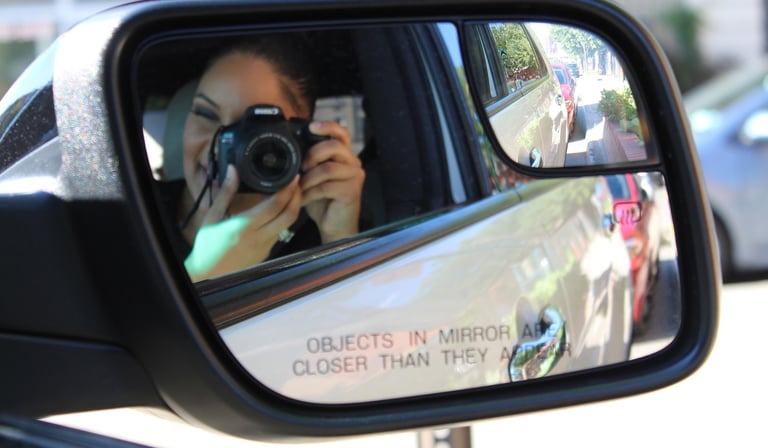
Sometimes the relationships people admire the most from the outside are the ones that feel the loneliest behind closed doors.
For many years, people believed my marriage was strong. They saw the life we had built—our family, our faith, the years we had spent together. What they didn’t see was the quiet loneliness I carried while trying to protect an image that no longer reflected reality.
From the outside, our marriage looked solid. We had built a life together—children, a home, family gatherings, church. To others, we looked like the kind of couple that would last forever. People admired us. They spoke about our marriage as if it were something to look up to.
Over time, that image became something everyone believed in.
Including me.
But somewhere along the way, I began losing pieces of myself.
My life slowly started revolving around Norton—his needs, his opinions, his priorities, and often his family. I tried to be supportive. I tried to keep the peace. I tried to make sure everyone around us felt comfortable.
And little by little, my voice became quieter.
At first, it felt like compromise—the kind people make in marriage. But over time, those compromises became something else.
They became silence.
I stopped making decisions based on what felt right for me. Instead, I focused on avoiding conflict and protecting the image everyone believed we had. His family’s expectations often came first, and I placed my own feelings somewhere in the background.
I told myself this was what a good wife did.
But deep down, I was disappearing.
Over time, I began to notice something unsettling—I no longer knew myself.
What did I enjoy?
What made me feel alive?
Who was I outside of being his wife?
So much of my identity had become wrapped around him that I no longer recognized the woman I once was.
There were quiet ways control showed up in our relationship. There were people he discouraged me from getting close to, even within his own family. At the time, I believed it was about protecting our marriage. Looking back, I see how it slowly isolated me.
Even the way I dressed became something I adjusted—not because it felt right for me, but because it avoided conflict. Over time, these small changes added up.
I stopped questioning things. I stopped expressing certain thoughts. I stopped fully being myself.
And the longer that continued, the further I drifted from who I once was.
Another truth became harder to ignore—the emotional and spiritual weight of our family rested on me. Faith had always been important to me. I believed in a marriage built on shared spiritual connection. I longed for a partner who would pray with me, lead with me, and walk in faith together.
But that responsibility fell on me alone.
I was the one encouraging prayer. I was the one keeping our family connected to church. I was the one trying to hold that foundation together.
From the outside, it looked like we were united in faith. But behind closed doors, I felt alone in that walk.
Loneliness inside a marriage is difficult to explain. I had a husband. I had children. I had a home filled with life.
And yet, I often felt completely alone.
Emotional connection faded. Affection became rare. Intimacy slowly disappeared until it felt like it no longer existed between us.
For a long time, I told myself this was normal. That this was just what happened after years of marriage. I told myself to be patient, to keep trying, to hold everything together.
But deep down, I knew the truth.
Love should not feel this lonely.
Still, I continued protecting the image. I feared what people would think. I feared disappointing others. I feared losing the life we had built.
And like many parents, I also stayed for my children.
I wanted them to have both parents in the same home. I wanted them to feel stability. I believed that if I tried hard enough, things might somehow return to what they once were.
But children see more than we realize. They notice the distance. They feel the silence. They sense when something is no longer the same. Even when nothing is said, they understand.
You can only hide the truth for so long.
Eventually, it reveals itself.
One evening, after the house had grown quiet, I stood in front of the mirror. Nothing unusual had happened that day. The children were asleep. The house was still.
But this time, I really looked at myself.
And a question came to mind.
Who am I?
I didn’t have an answer.
For years, I had defined myself by roles—wife, mother, caretaker, peacemaker. I had spent so much time meeting everyone else’s needs that I had stopped asking what I wanted.
Standing there, I realized something painful and clear.
I had lost myself.
I had been living a life that others admired, but I was no longer living fully as me.
And for the first time in a long time, I felt something rise within me.
I didn’t want to disappear anymore.
Looking back now, the best way I can describe those years is this:
I was holding a picture frame that did not exist.
From the outside, it looked beautiful and complete. But inside, there was no real picture.
I kept holding it up—for peace, for appearances, for everyone else.
But the longer I held it, the heavier it became.
Because no one can carry an illusion forever.
Eventually, you have to look at what you’re holding.
And when I finally did, I saw the truth clearly:
The marriage everyone admired was not the marriage I was living.
The picture had been gone for a long time.
And the moment I allowed myself to admit that…
was the moment I began to put the frame down.
Reflection:
For many years I believed the picture frame mattered more than the picture inside it.
I believed that if the frame looked strong enough, beautiful enough, and stable enough, then everything inside it must be fine too. I carried that frame carefully, protecting it from cracks, protecting it from judgment, protecting it from questions.
But life has a way of gently bringing truth to the surface.
The moment I allowed myself to admit that the picture inside the frame had been missing for a long time was not the end of my story. In many ways, it was the beginning.
Putting the frame down did not mean failure. It meant honesty. It meant choosing to stop living inside an illusion and start rediscovering the woman who had slowly faded behind it.
Healing does not happen all at once. It happens in quiet moments of courage — moments when we begin asking ourselves questions we once avoided.
Who am I now?
What do I deserve?
What does peace actually look like in my life?
The answers did not arrive overnight. But the moment I asked those questions, I knew something important had changed.
For the first time in many years, I was no longer trying to live inside someone else's picture.
I was finally beginning to create my own.
Kat’s Note
This story is not written to blame anyone or to reopen old wounds. It is written to share the truth about a part of my life that many people never saw.
For a long time, people believed my marriage was strong. From the outside, it looked stable and full of love. But behind closed doors, I was carrying a quiet loneliness that few people knew about.
Over the years, I slowly lost parts of myself while trying to keep peace, protect the image of our marriage, and be the person everyone expected me to be.
Writing this story became part of my healing. It helped me look honestly at the years when I felt invisible and disconnected from the woman I once was. It also helped me recognize the moment when I realized I didn’t want to live that way anymore.
This book is not only about the end of a marriage. It is about faith, self-discovery, and the journey of finding myself again.
If parts of this story feel familiar to you, please know you are not alone. Many people live behind “perfect” pictures that hide painful realities.
My hope is that sharing my story encourages others to listen to their own hearts, value their own voice, and remember that they deserve a life where they can truly be themselves.
Connect
Stay in touch for stories and updates
Contact
For Bookings:
fearlesskatblog@gmail.com
Subscribe
© 2026. Fearless Kat | All rights reserved.